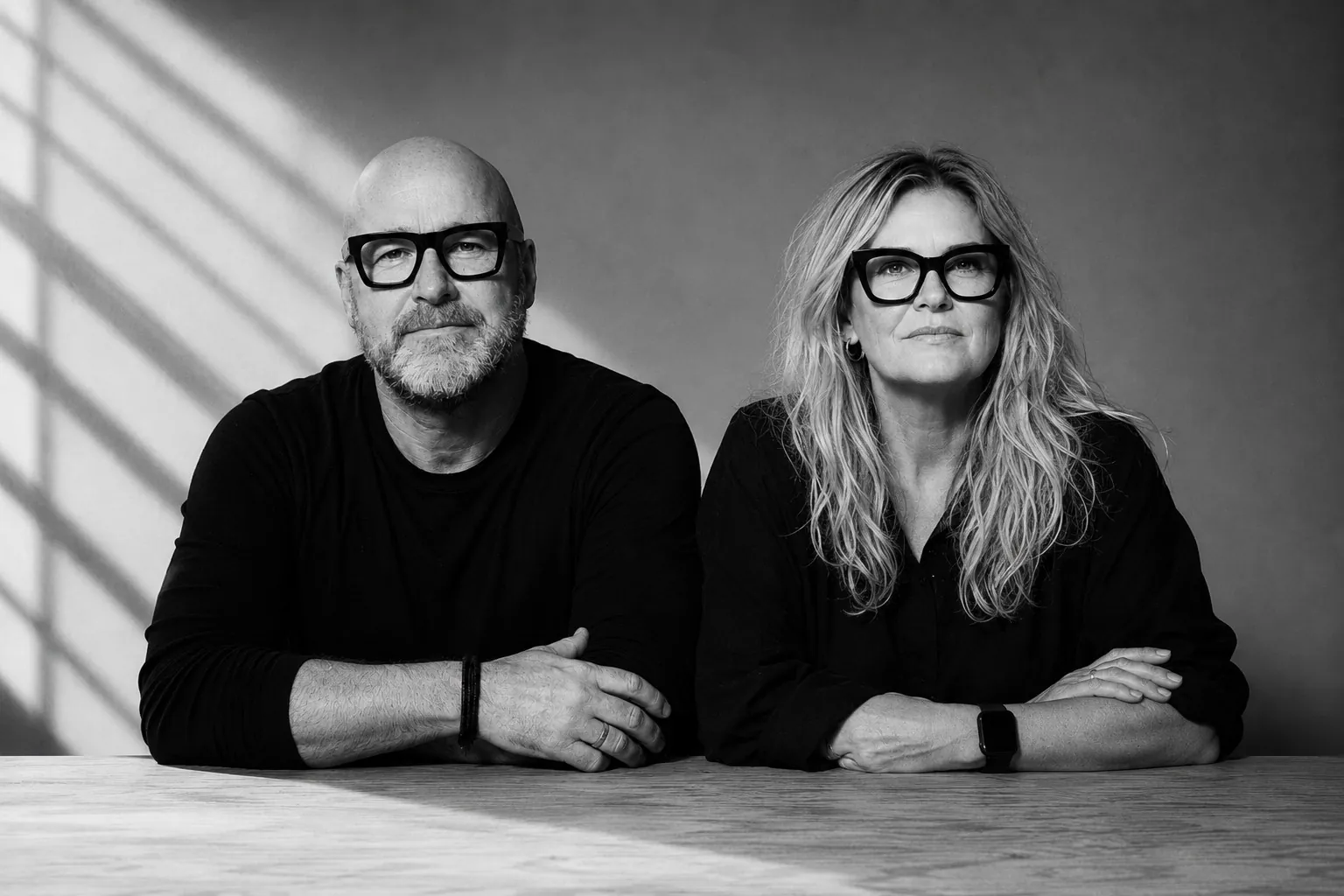
Rennie® is a creative design advisory shifting brands and companies through movement, climate & health towards a liveable planet. BrandDigitalStrategyEnvironments
An independent studio in Sydney and Los Angeles, working across brand, digital, place and research. Nineteen years in, forty percent of everything we make serves climate, health and movement. The rest sustains it.
In one of our earliest projects, a client told us the work was beautiful. Then they said it didn’t solve their problem. A critique like that changes a career.
Nineteen years and a few hundred assignments later, we steer the studio toward efficacy and accountability, not just aesthetics. We have worked with bootstrapped founders and Fortune 500s, athletes and Elders, from Sydney to Los Angeles, the Daintree to Salt Lake City. We thrive on complex challenges: the tangled places where people, place and brand meet, where the brief is incomplete, the data disagrees with itself, and the ground keeps moving.
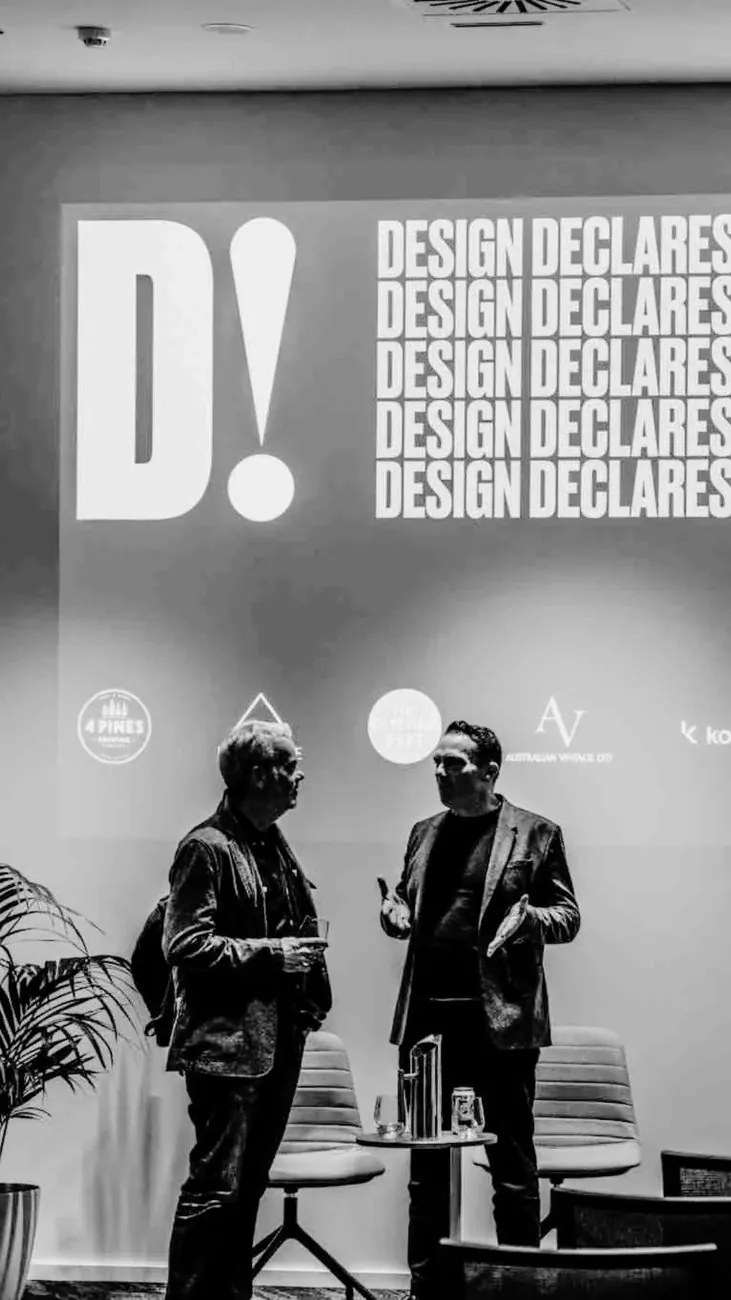
We have also learned what does not work. Strategy that ignores the numbers is useless. So are aesthetics that chase trends, and deliverables your team cannot carry without us. We begin with homework and fieldwork, the numbers, the frontline, the place itself, long before we advance to form. Short, intensive sprints or long engagements, carried through implementation. And we hold ourselves to it publicly: B Corp certified, a Design Declares partner, with forty percent of the studio given to climate, health and movement.
Does that sound like how you’d like to work?